
Years of drinking have, at times, disconnected me from myself. I struggle to check in with who I am, to truly feel grounded in my own skin.
Lately, it feels like I’ve been running nonstop, unable to stand still—and it’s catching up with me. Moving countries, starting over, and navigating sobriety all at once—it’s a lot. It’s exhausting, and it’s overwhelming.
Today, I got upset because my blood test results came back normal. Which is bonkers! But I wanted something tangible to blame for why I feel this way, why my emotions feel so heavy. But there was nothing. Just me, and this emotional storm.
Addiction is a disease of the mind, and even in recovery, I struggle with the highs and lows. Emotions hit hard, and anger seems to be my default. I don’t lash out at others, but I get stuck in this cycle of frustration, unable to shake the mood. It feels like I’ve reverted to being a moody teenager, resisting what I know I need to do.
Is this what happens when you get sober? You get your feelings back, but they crash into you like a tsunami, leaving you gasping for air?
I finally opened up to friends in recovery, and they helped me see myself more clearly. They reminded me that this is part of the process, that I’m not alone in this.
People keep telling me to meditate including my doctor—but that’s not the answer for me right now. What I need is to slow down. To stop rushing through my mornings, to put my phone away, to sleep better, to stop running from my own feelings and stop using external things to make me feel better or change the way I feel.
I’m learning not to expect a relationship or a job to fix me. Instead, I’m digging deep and confronting what’s really going on. For the first time, I’m setting boundaries—and it’s uncomfortable as hell. Cutting people out because they no longer align with me, because I don’t like who I become around them—it’s difficult, but necessary. I don’t have the energy for bullshit or connections that drain me.
It can get lonely, but it’s also making space. Space to focus on myself, to stop pouring my energy into the wrong places, and to ask myself the hard questions: Who am I? Do I like myself? What is my purpose?
Logically, I am so grateful—I have everything I need: a home, money, a loving relationship, my health, and a healthy, slightly chaotic family. But inside, there’s a storm of pain and unmanageable feelings. Am I too sensitive? Am I too hard on myself? Why is anger my go-to? Why do I go from 1-100 in less than a second?
Getting sober was never going to fix me, but it’s definitely helped me understand who I am. I have to do the healing work and accept that this is life and nobody is going to rescue me. But today, I am winning because I am handling life better than I did almost four years ago when alcohol was my only solution. It’s okay to feel sad and confused—this will pass. And through it all, I am learning. I am growing. I am becoming the person I was always meant to be.
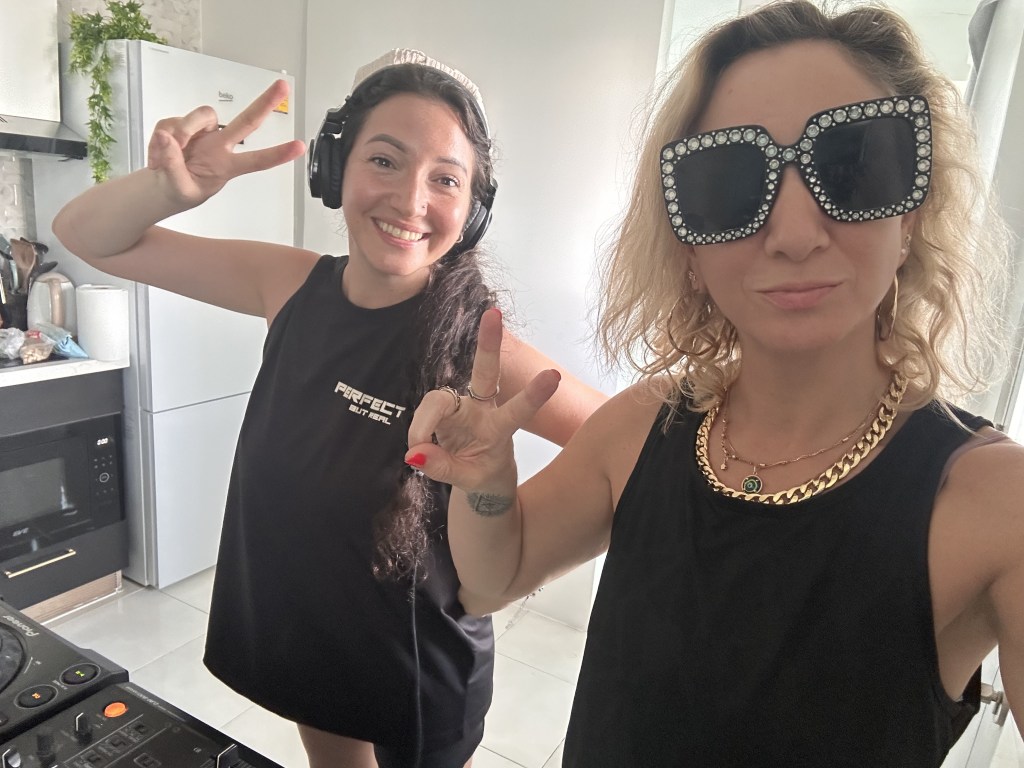
Despite the struggles, there is beauty in this journey. I am discovering strength I never knew I had. I am experiencing moments of clarity and peace that I once thought were impossible. Recovery is not just about surviving—it’s about thriving, about finding joy in the small moments and hope in the progress, no matter how slow.
Tips to Cope with Overwhelming Emotions in Sobriety:
- Pause and Breathe – When emotions feel too intense, take a deep breath. Count to ten and remind yourself that feelings are temporary.
- Move Your Body – Exercise, take a walk, or stretch. Physical movement helps release built-up tension.
- Write It Out – Journaling can help process emotions that feel too big to hold inside.
- Set Boundaries – Protect your energy by limiting time with people or situations that drain you.
- Practice Self-Compassion – Speak to yourself with kindness. You are doing the best you can.
- Find Your Support System – Whether it’s a recovery group, a friend, or a coach, don’t do this alone.
- Create a Daily Routine – Having structure in your day can provide stability amidst emotional ups and downs.
- Get Enough Rest – Sleep plays a big role in emotional regulation. Prioritize rest and recovery.
- Limit Social Media & Screen Time – Give your mind a break from digital overload.
- Remind Yourself: This Too Shall Pass – No feeling is permanent. Trust that you will come out stronger.
I hope this resonates with someone. I’m always around if you want to connect!
Yasmin
Recovery Coach Professional
 Yasmin Recovery Coach
Leave a comment